
THE MAGIC OF TOFA
warriors
HEALERS
mystics
THE SEVEN GODS
THE SEVEN GODS
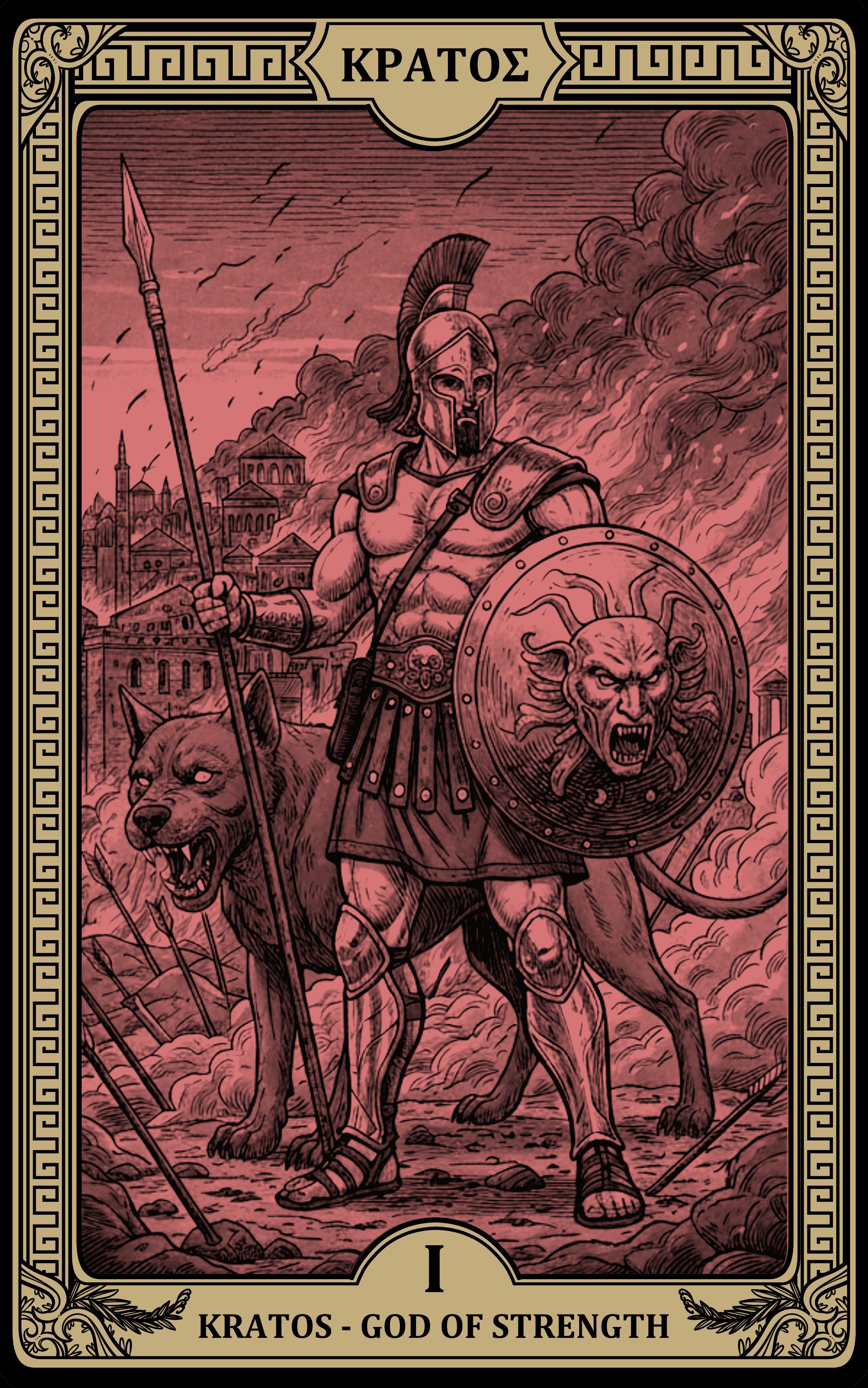
KRATOS
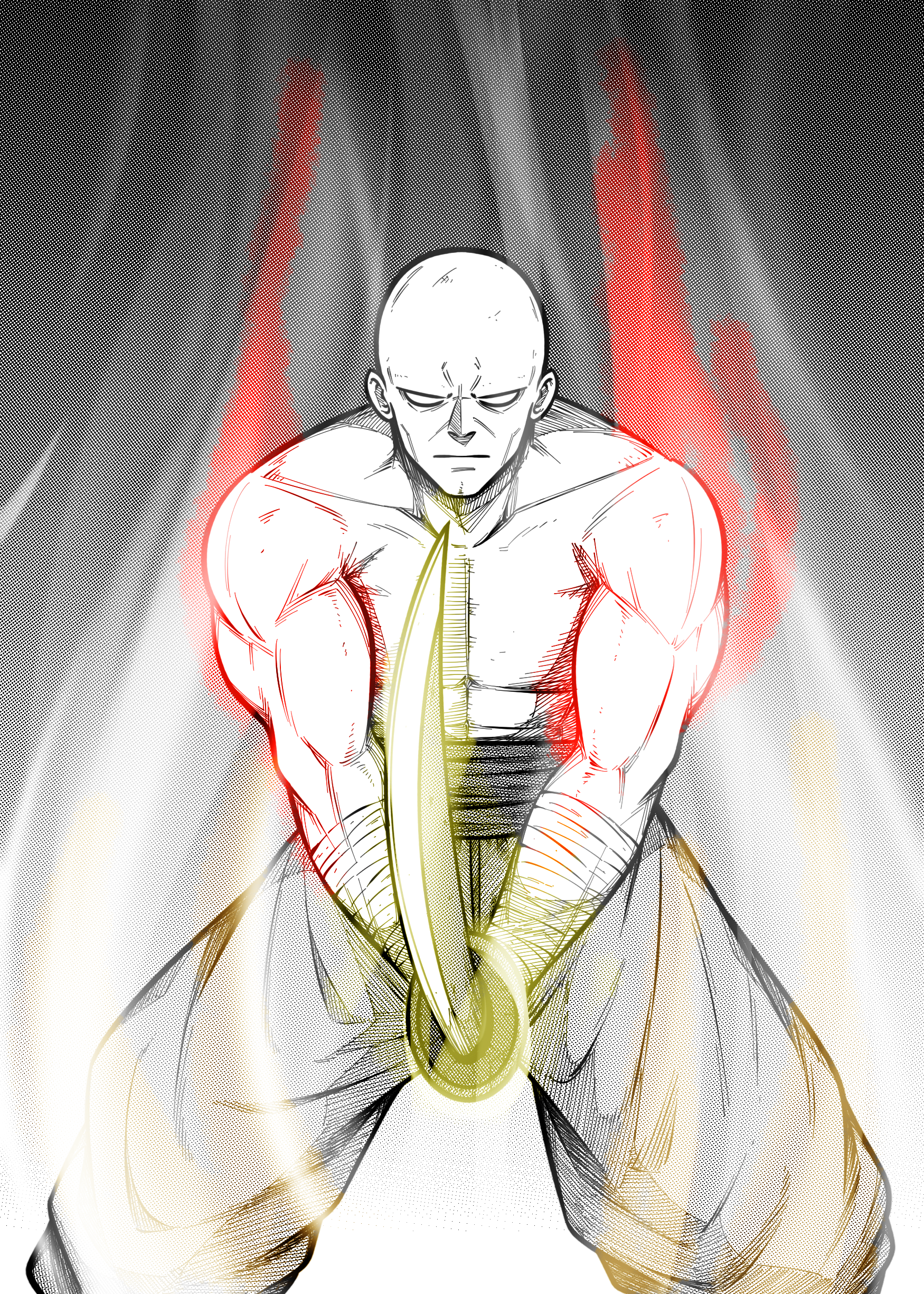
Kratos, the God of Strength, is the first of the seven gods of the Ancient Order. He is closely associated with the color red, as well as the substance of blood, and said to grant his followers the gift of great physical strength. Mystery schools and cults devoted to Kratos are rumored to produce completely fanatical devotees. Many “Followers of Kratos” are renown strongmen, wrestlers, and warriors throughout the realm. In fact, Ostian soldiers wear red capes to honor the god of strength. Kratos is also the patron god of the people of Norselands. The warrior king of Norselands is said to have be chosen by Kratos himself and have a direct relationship with the god of strength, giving him a singular right to rule the peoples of Norsegaard.
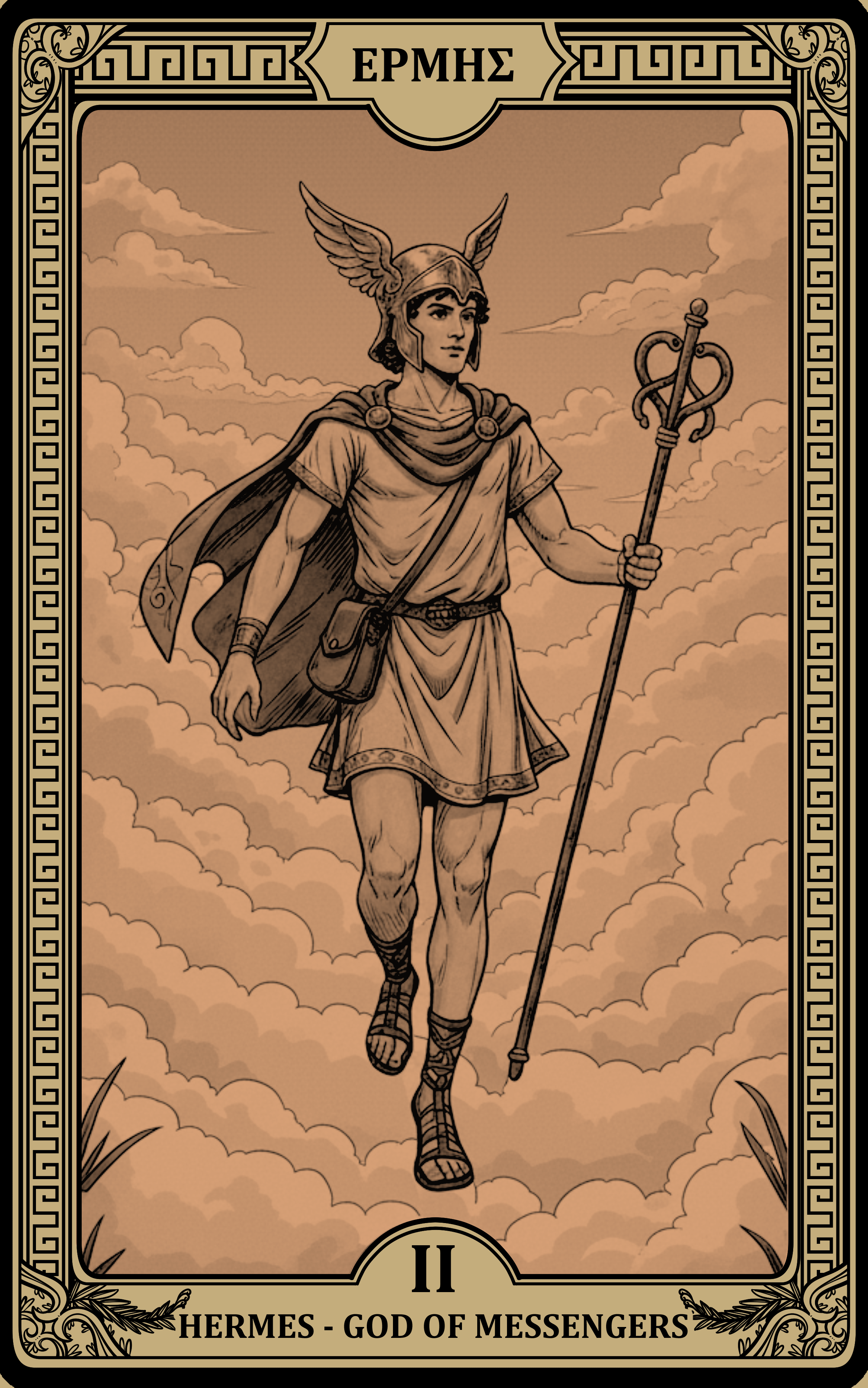
Hermes
Hermes, God of Messengers, is the second of the seven gods of the Ancient Order. Closely associated with the color orange, Hermes is said to grant great speed to messengers so that they can deliver their news quickly. Mystery schools of the messenger god, Hermes, are said to produce the fastest runners, some of whom claim the ability to outrun even horses! Many of the devotees of Hermes schools often dominate the track and field sporting competitions, called Olympiae. Hermes was once considered the patron god of the region that is now known as Parthia. Once this region was united under a warrior king, the people of that area adopted the philosophy that the seven gods, Hermes included, were really only manifestations of the One God, creator of all things.
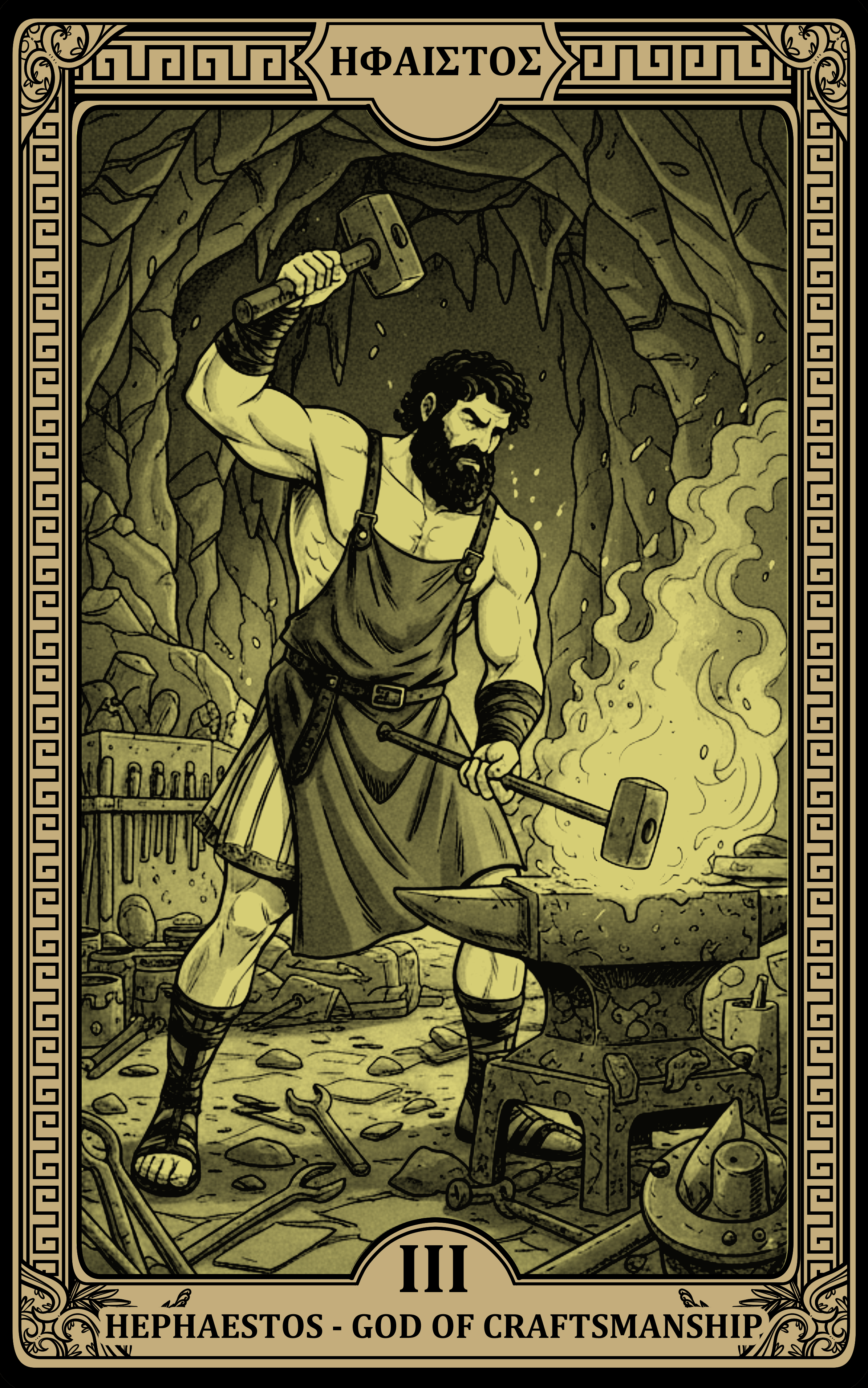
Hephaestos
Hephaestos is the third of the seven gods of the Ancient Order, the patron god of craftsmen. He is closely associated with the color yellow and the substance, gold. He is also connected to the sun, as it is widely believed that the sun was crafted by Hephaestos himself to light the world. Hephaestos is said to grant strength to the objects and tools built by craftsmen. Mystery schools devoted to Hephaestos often produce world renown blacksmiths, sword smiths, and bricklayers, among others. There are many Hephaestos mystery schools, especially in Ostia, where there is a societal focus on the construction and engineering of elaborate structures. Hephaestos is also the patron god of the Empire of Ostia, hence the sun and eagle rank insignia that appear on the armor of high-ranking officers in the Ostian military.
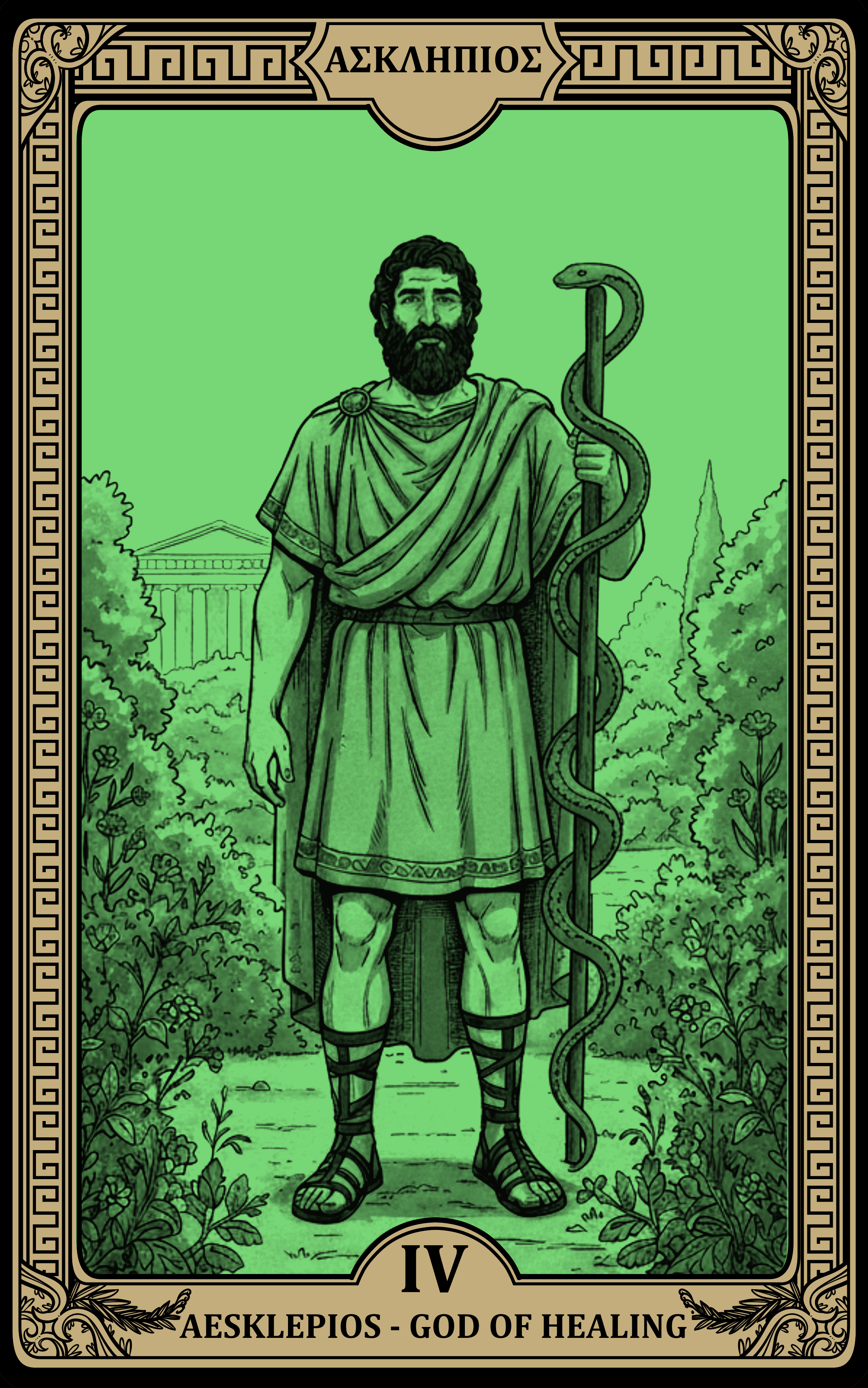
ASKLEPIOS
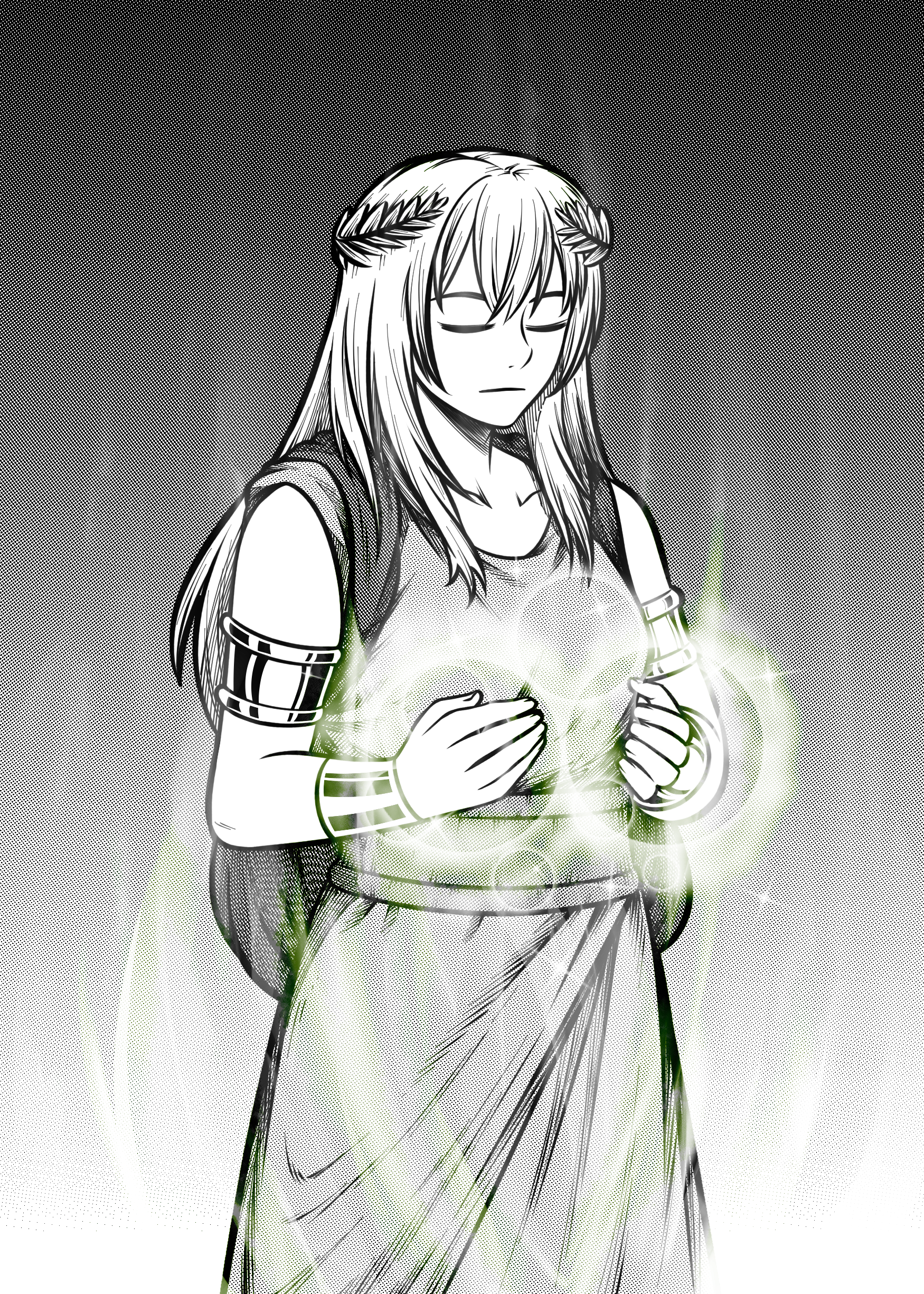
The fourth god of the Ancient Order is Asklepios, god of healing. Asklepios is associated with the color green and healing herbs of all varieties. He is said to aid healers and physicians in their work helping their patients. Mystery schools devoted to Asklepios have produced the world’s leading healers, physicians, and herbalists. Hephaestos is also the patron god of the nomads of Dacia, who are known throughout the continent for their knowledge and skill as herbalists, producing some of the continents finest remedies and tinctures.
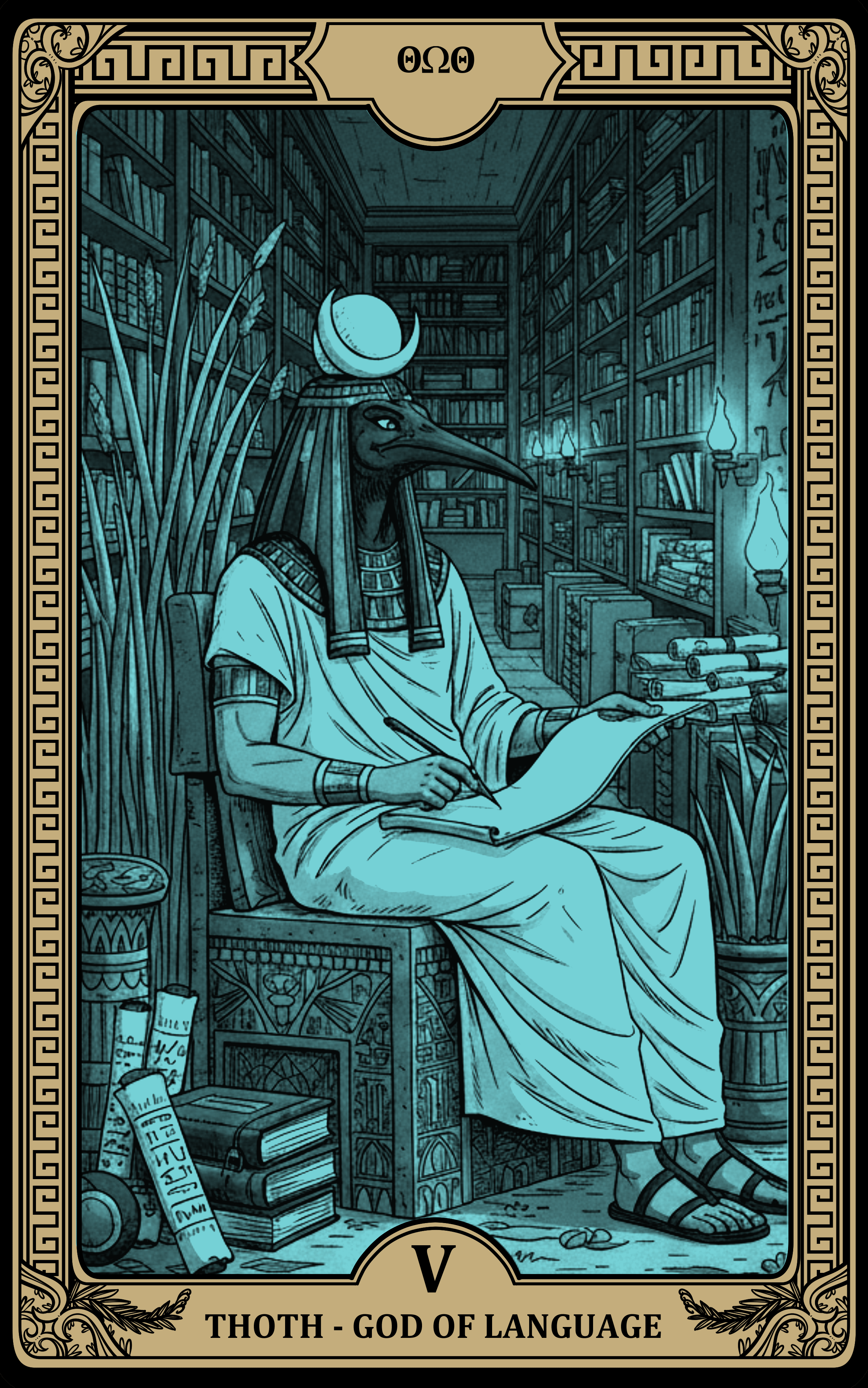
Thoth
Thoth, fifth of the seven gods of the Ancient Order, is the god of language. Closely associated with the color blue, Thoth is said to have given a wordless humanity the gift of language so that they could communicate with one another. Mystery schools of Thoth produce world renown scribes, poets, and playwrights that are highly sought after by kings and emperors of the realm. Thoth is the patron god of the sea-faring Empire of Carthago, which boasts many, elaborate libraries in his honor.
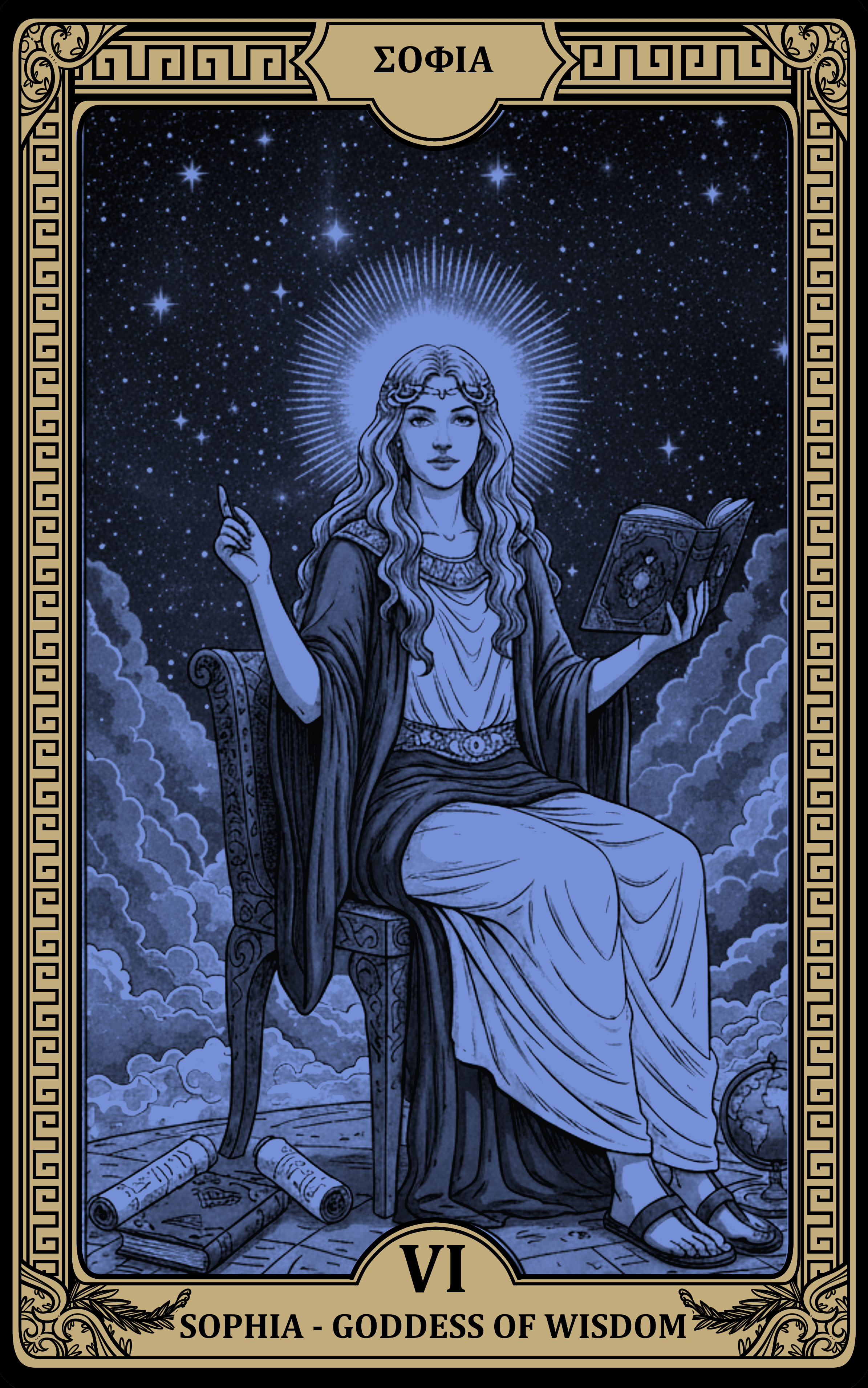
Sophia
Sophia, sixth of the seven gods of the Ancient Order, is the goddess of wisdom. She is associated with the color, Indigo, and the moon, luna. She is said to be the patron of scholars and sages. She is also believed to have taught humanity the various uses of Qi at the beginning of the Heroic Age, while disguised as a child named Neith. Because it is believed that the seven gods abandoned humanity to flee to the heavens at the end of the Bronze Age, taking all knowledge of Qi with them, Sophia is often called “The Ally of Mankind” by her devotees. She is said to have a deep compassion for humanity and blesses devotees of her mystery schools with great wisdom and knowledge. Mystery schools devoted to Sophia have produced the realm’s leading alchemists, philosophers, and strategists. She is considered by the people of Xeng to be their patron goddess, as the Empire of Xeng’s massive civil service boasts the continent’s most distinguished scholars and imperial advisors, or “Shi.”
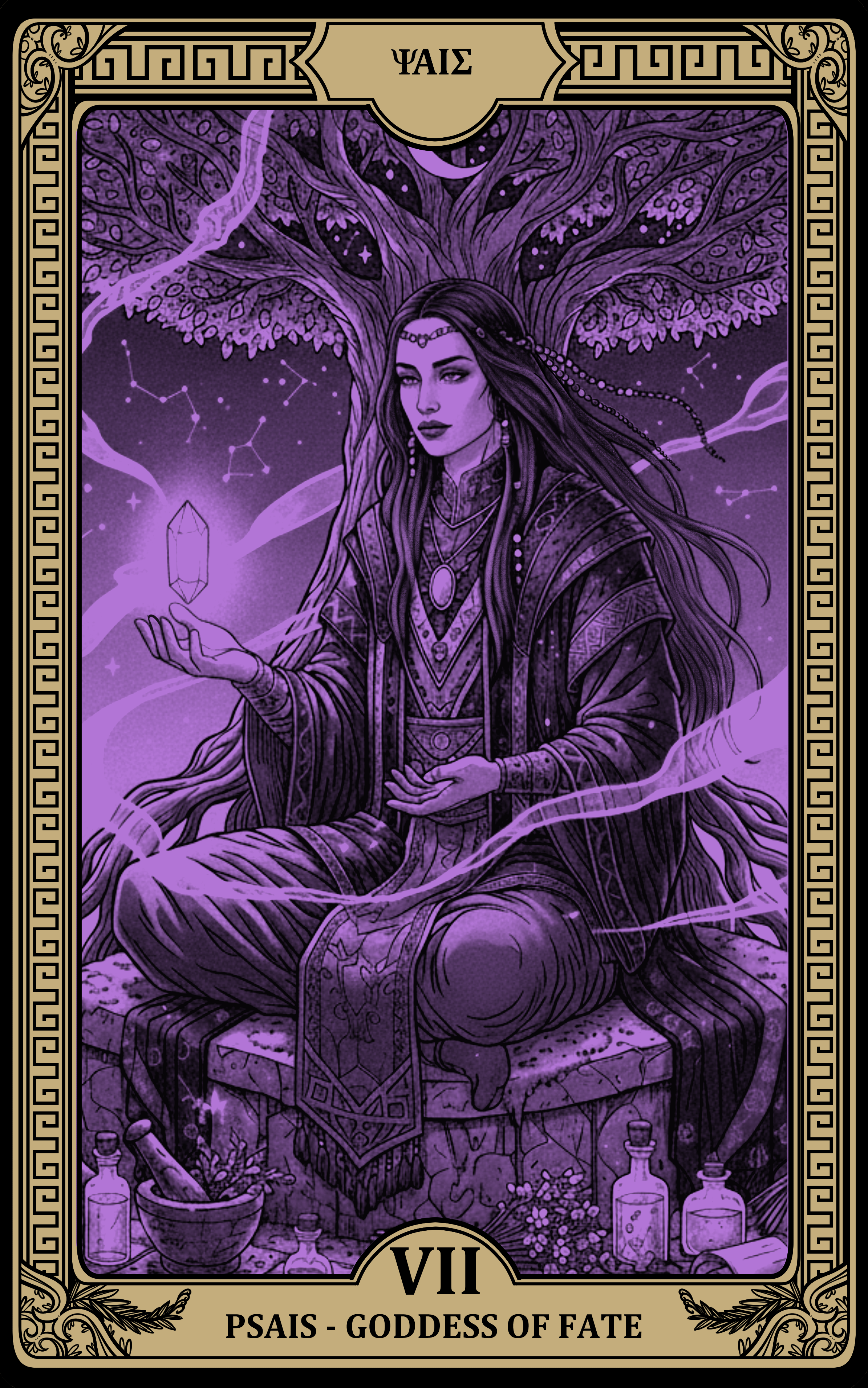
Psais
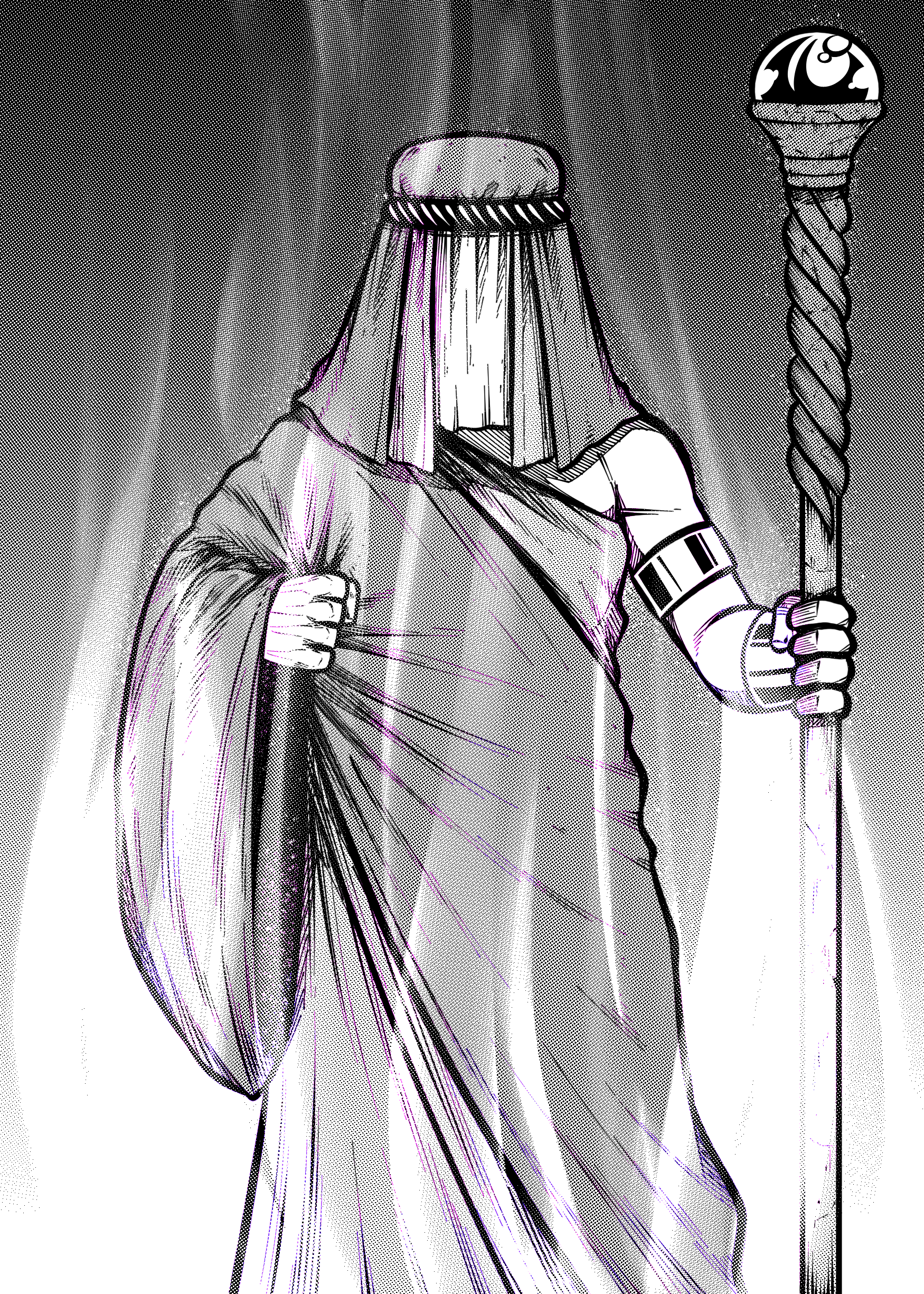
The final of the seven gods of the Ancient Order, considered by many to be the highest of the seven, is Psais, goddess of fate and time. Psais is associated with the color, purple and the amethyst crystal. In many of the kingdoms in the realm, the color purple is reserved for the highest officials, such as emperors or nobility. The Emperor of Ostia, even, wears ceremonial, purple garments to signify his status as the “highest” citizen of the empire, or “princeps,” meaning “first citizen” in the native Ostian tongue. Amethyst, also associated with Psais, is considered the most valuable among gems and its sale is prohibited except through official channels. This valuable gem is typically only found in temples and mystery schools devoted to the goddess Psais. Her mystery schools produce the realm’s leading mystics, monks, and clerics. Mystery schools of Psais are not on any map and remain largely hidden. It’s rumored that the initiation ritual required to gain entry into the mysteries of Psais is physically and mentally rigorous and sometimes deadly. She is the patron goddess of Indus, a land known for its temples and mystical tradition.