The Realm
The Confederation of Dacia
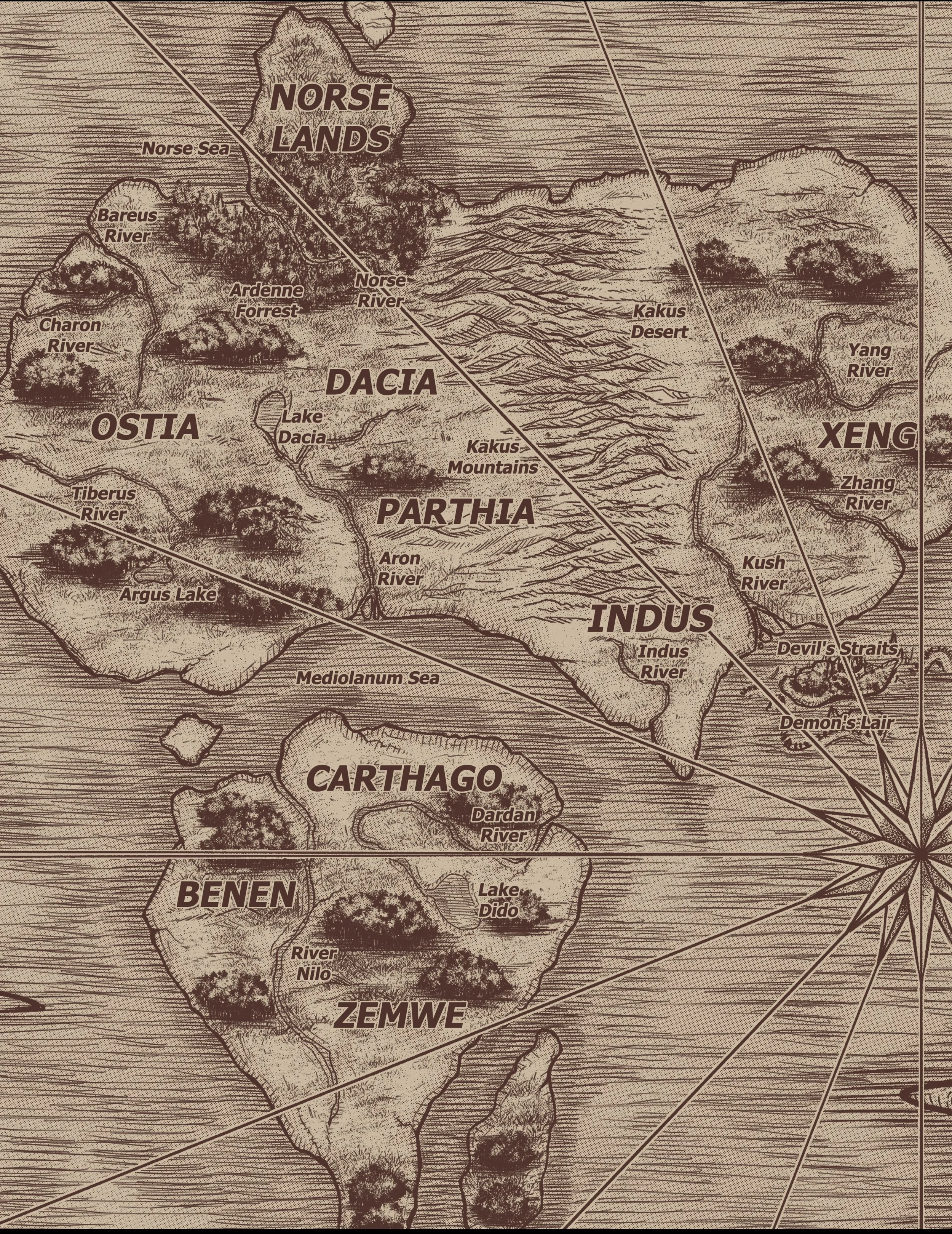
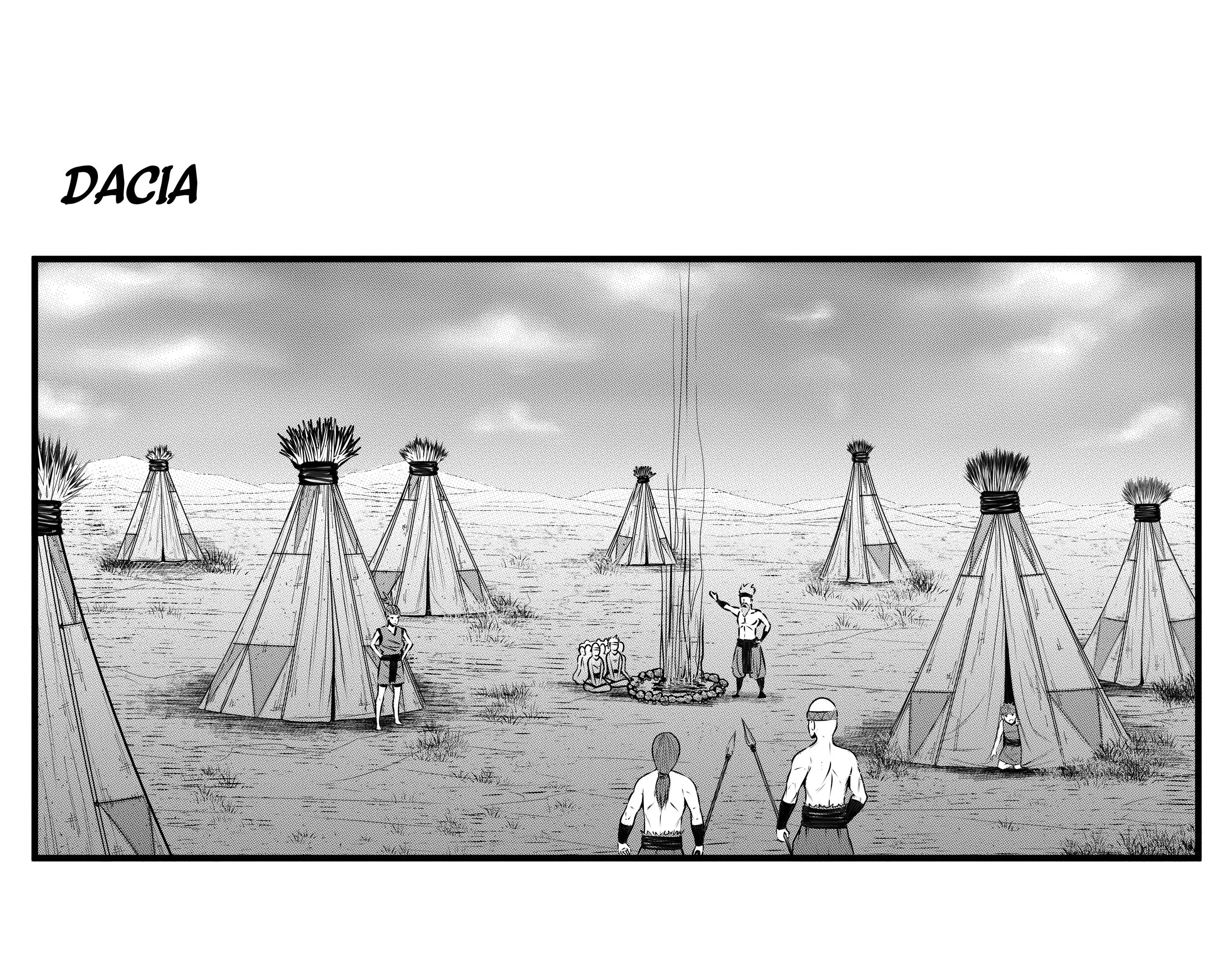
Although Dacia is considered a kingdom, it is really a territory inhabited by a confederation of 12 tribes of nomadic peoples. Each of these tribes is divided into 12 familial groups, hence the 144 families of Dacia. These tribes often clash with one another over territory and resources, but all out warfare between tribes seldom occurs. Every five years, each of the 12 familial groups holds a council of chieftains to discuss the all matters relevant to the governing of the Plainsfolk, another name for the people of Dacia. The landscape of the region is flat and covered with grass and referred to by the people of The Continent as “the Plains.” Aside from the Plainsfolk, the region is populated by enormous grass eating animals called Plainsbeasts. These large animals are the primary source of food for the people living on the plains. As a result, the Plainsfolk are expert hunters, trackers, and horsemen. At the age of twelve, children of the plains graduate from foraging, under the care of the tribal elders, and begin their training in hunting and tracking. The young men typically begin training with a Greatsword, a large sword that is too heavy for the average person to wield properly. Greatswords are designed to deal the maximum amount of damage to the large beasts that roam the plains. The young women begin training with the bow, which they use skillfully to isolate and wound the animals with arrows. In this way, hunting on the plains is all about teamwork and coordination. At the age of 15, Plainsfolk become hunters for their tribes. Although Plainsfolk are not a cohesive society like the other peoples of The Continent, they take great pride in their land and traditions and will band together if they perceive an external threat to either.
The Empire of Ostia
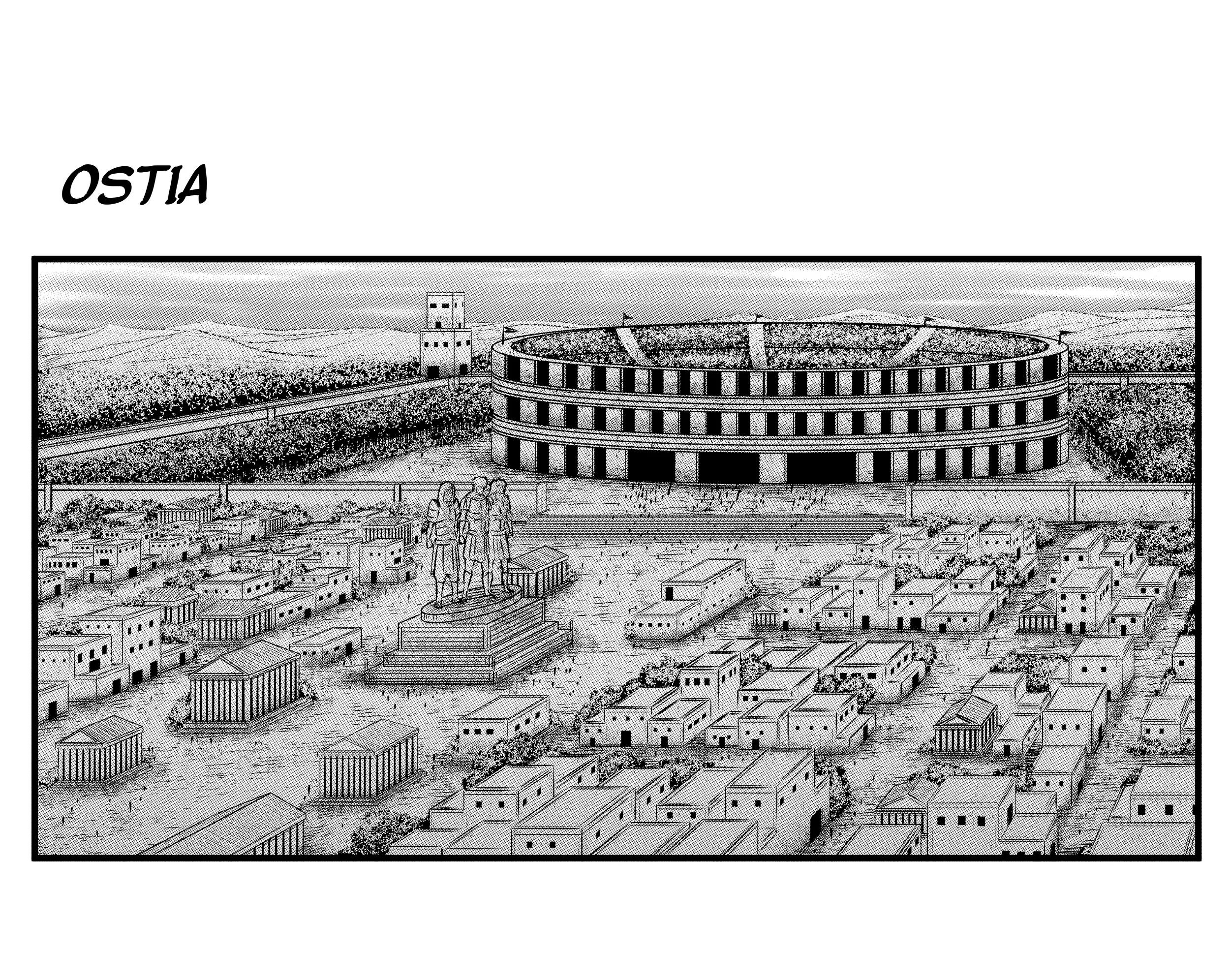
Ostia is the westernmost kingdom on The Continent. Ostia is ruled by the Emperor Titus Aurelius Constantinus, who has three sons and one daughter. Gaius, the first born of Emperor Aurelius, is the Imperial General of the Northern Army of Ostia and first in line for the throne. Lucius is the second born of Emperor Aurelius and serves as one of Ostia’s Consuls of the Senate and is second in line for the throne. Aurelia is the third born and only daughter of Emperor Aurelius who, though not directly in line for the throne, serves as the emperor’s confidant. Third in line for the throne and fourth child of Emperor Aurelius, is Paulus, or Paul, who serves as an autonomous Captain in the southern army of Ostia. While Ostia is ruled by an emperor, it is legislated by a senate. Of the western kingdoms, Ostia has the largest population and the largest, most elite military. Ostia boasts a standing army of nearly 400,000 infantrymen and sailors. The manpower of the Ostian military is surpassed only by that of the military of the kingdom of Xeng. Ostia began as a smaller kingdom, but, as a result of military conquest, it grew to incorporate the entire western coast of The Continent. At the height of its power, Ostia’s territories included most of Parthia, parts of Norseland and Indus, and almost half of Dacia. This history makes Ostia a very diverse place. In decline, the Empire of Ostia was forced to return the lands they captured from the other kingdoms back to their original owners after the “Great War.” Because of the debt and famine caused by the “Great War,” Emperor Aurelius shifted Ostia’s foreign strategy toward the normalization of trade between Ostia and other kingdoms as opposed territorial conquest. While this strategy successfully solved the issues of debt and famine that the empire faced, it created a rift in the Ostian Senate. Senators of the Hawk faction called for a return to the old ways of territorial acquisition, demanding Ostia reconquer their previously held territories. Senators of the Dove faction supported the Emperors reforms and enjoyed the relative peace that they created. Because Ostia borders three other kingdoms, there is a constant need for more soldiers to patrol its borders. Because of this need, Ostia divided its military into four autonomous armies to better protect its vast interests.
The Kingdom of Parthia
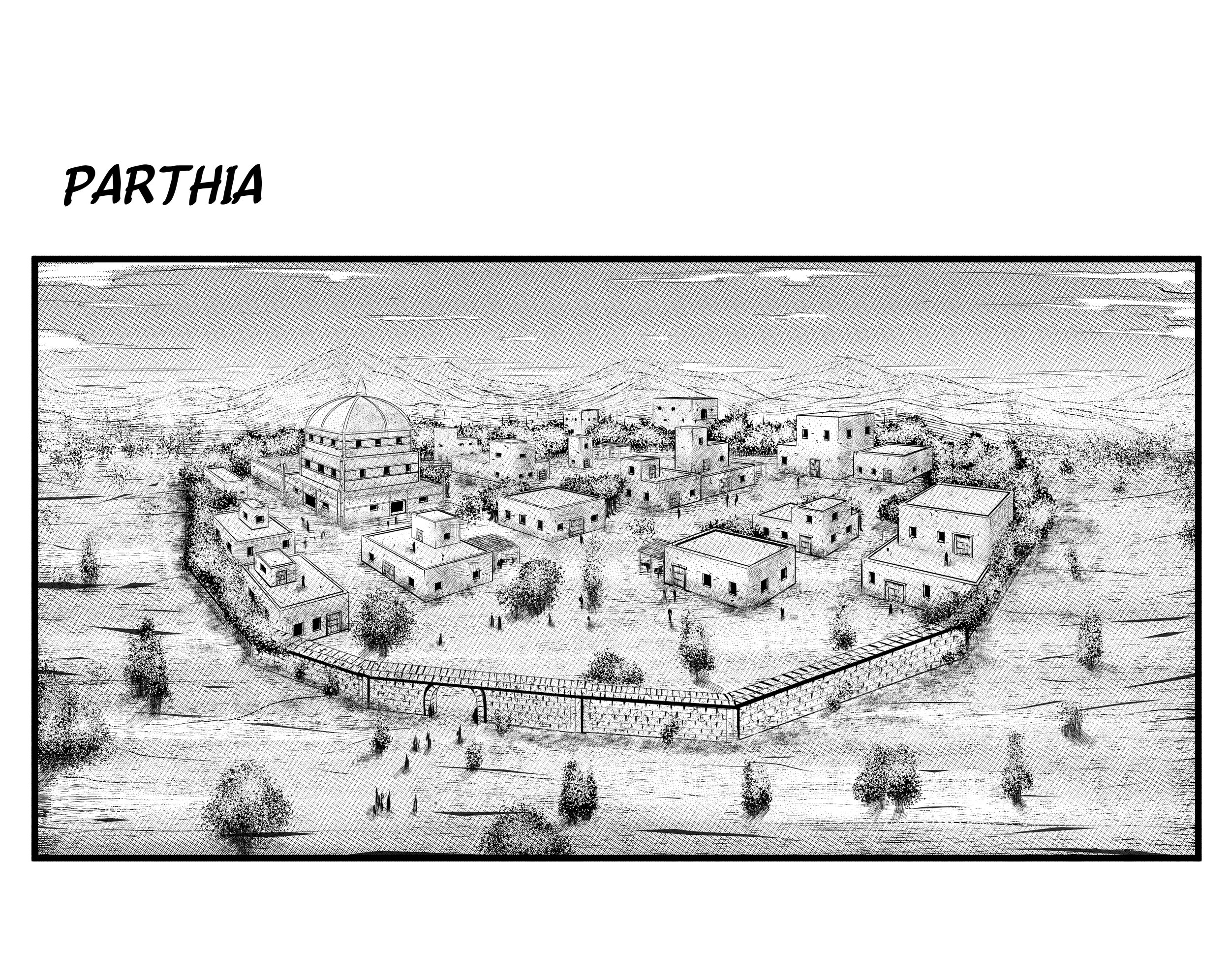
Parthia’s plain-looking, desert cities cleverly conceal the kingdom’s true wealth. With a vibrant and far-reaching mercantile network, Parthia is a land of vast wealth. Parthia is the center of a vast trade network that connects the kingdom of Xeng to the western kingdoms. As a result, many nations have held ambitions to conquer Parthia. While Parthia’s military is not massive, it makes up for its lack of manpower with tenacity in battle and the skillful use of guerilla tactics. As a result, despite incursions into its territory, Parthia has remained largely independent for over a thousand years. Parthia is also known for its beautifully designed religious temples and unique, dogmatic religion. Parthia emerged when the original nomadic tribes living in the area were united under the banner of a single warrior king and religious icon who brutally imposed a new, monotheistic interpretation of the continent’s ancient, shared religion upon his subjects.
The Kingdom of Indus
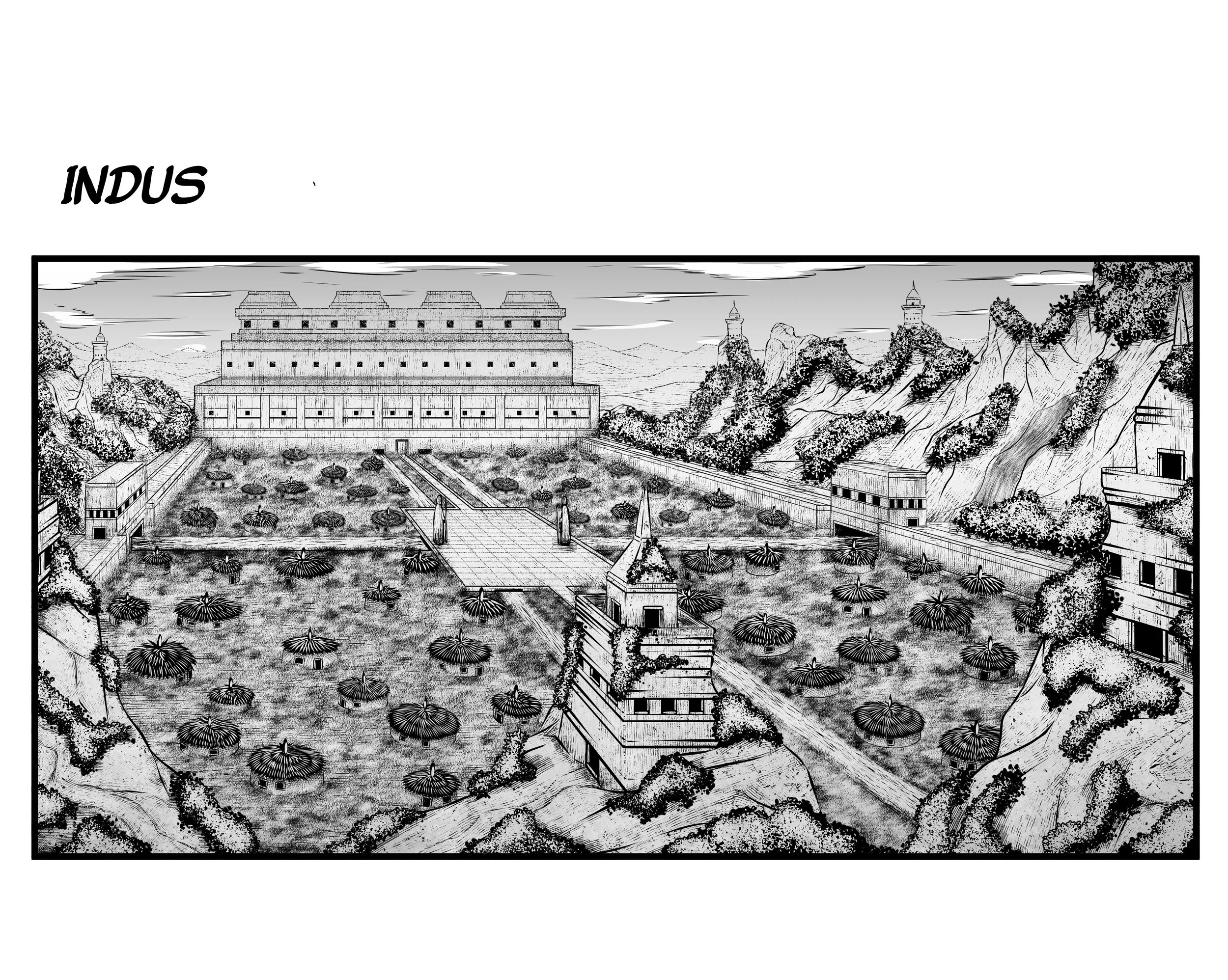
This kingdom is known for its vibrant culture and spiritual tradition. Indus is known throughout the continent for its mystical religious tradition and great marble temples. Indus is also the home of many, world-renowned scholars, astronomers, and architects. While the military of Indus enjoyed strong and consolidated leadership in the recent past, the retirement of its previous generation of leaders has left something of a power vacuum. As a result, Indus frequently finds itself in internal military engagements, quelling uprisings from the many religious sects living within its borders, each of which boasts a different interpretation of the continent’s ancient, shared religion. These uprisings tend to keep Indus’s military preoccupied, leaving little time and resources for territorial expansion. Indus is also the birthplace and home of General Sri, a “Hero” of the Great War, who was often referred to as “the God of Warfare.”
The Realm of Norseland
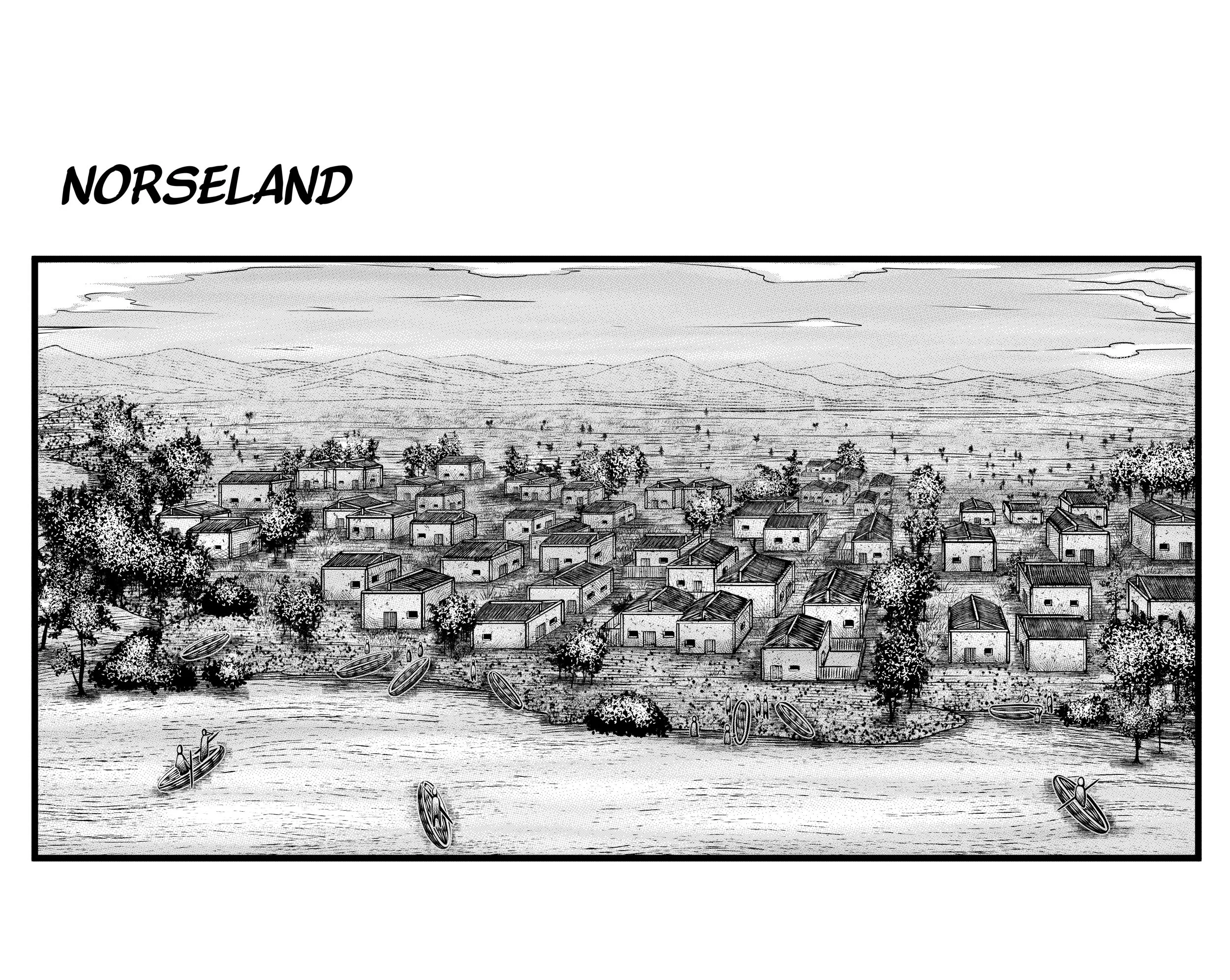
Not much is known about this kingdom’s culture and people. Known as the Norse, as they are extraordinarily reclusive and xenophobic. The Norse people’s culture of xenophobia stems from the time when it was annexed by Ostia and, as a result, the two kingdoms have never been on friendly terms. They consider themselves a warrior people and focus their worship on the warrior deities from the religion that they share with the rest of the kingdoms. The Norse King is always a warlord who personally leads his people into battle. Norseland is also the least populated of the western kingdoms. Skirmishes between Norseland and Ostia frequently break out on the southern border, which it shares with Ostia. The military of Norseland has been referred to by many as a bloodthirsty, warrior cult. Although few in number, the Norse are feared by many people for their barbarism in combat and their fighting technique, which resembles that of a wild animal. Some rumors say that they have been known to sacrifice their victims, but these rumors are yet unsubstantiated.
The Empire of Xeng
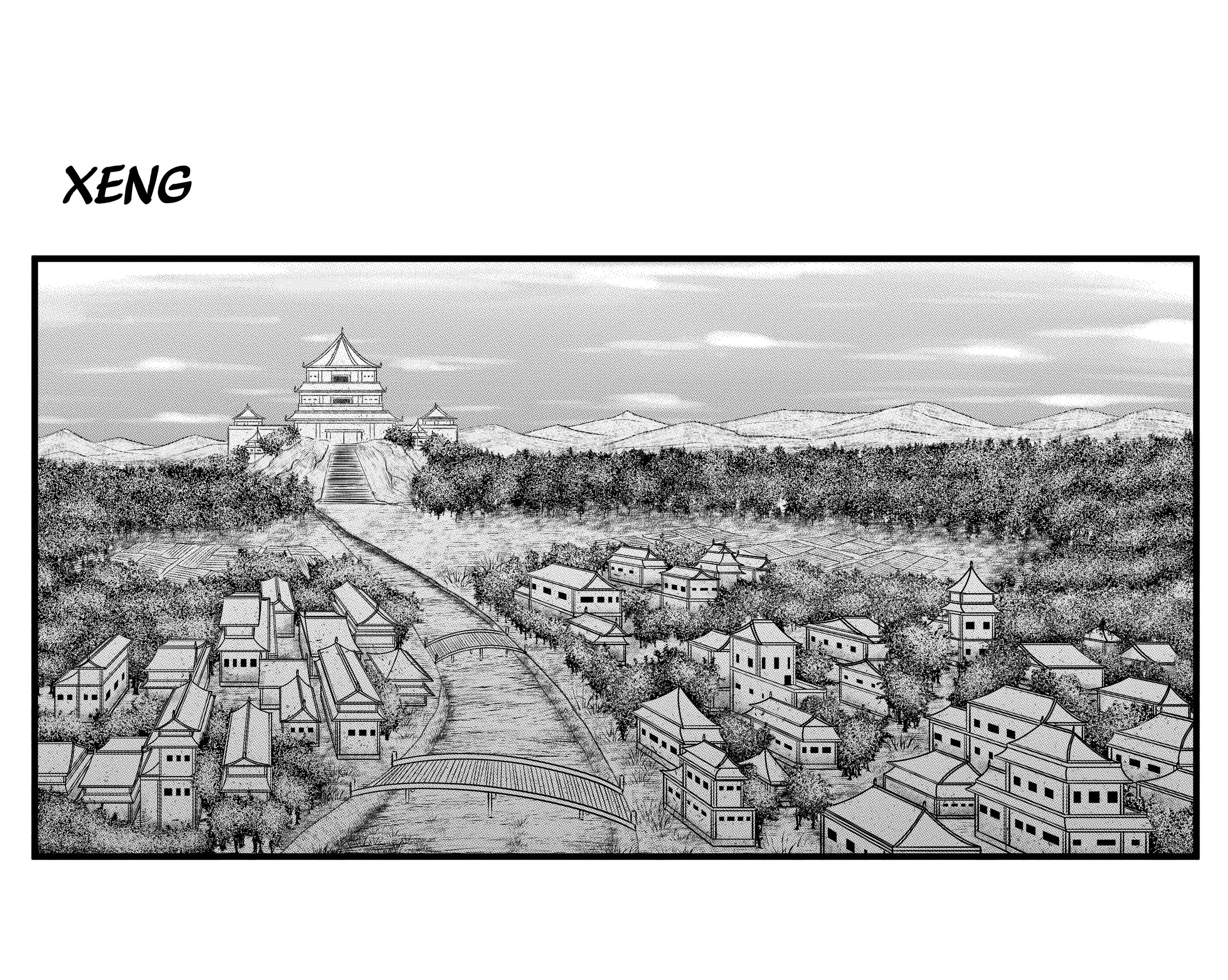
Xeng is the easternmost Kingdom on The Continent. It is the largest and most populated as well. Xeng has a great wealth of gold and its chief export is silk. Xeng gained its considerable wealth by opening trade with the western kingdoms of the continent two hundred years ago, most of which is facilitated by Parthians. Xeng is known for its elaborate and expansive cites as well as its world-renowned scholars who specialize in everything from affairs of state to philosophy and alchemy. Close to a thousand years ago, the territory that is now Xeng was made up of three smaller kingdoms that eventually coalesced into one. As a result, there is a great deal of friction among Xeng’s ruling families. Noble families of Xeng compete with one another to curry favor in the imperial court. Those families who fall out of favor with the emperor often disappear or are replaced. Hence, over the last several centuries, criminals and political dissidents have been exiled to an island penal colony off the southern coast of Xeng called the Demon’s Lair. Some have guessed that nearly a half of a million people live there now. Nothing else is known about this penal colony. Xeng boasts the largest military on the continent with a standing army of 500,000 conscripts and a large navy. Xeng is, without a doubt, the continent’s superpower. The government of Xeng, however, prefers to advance its interests through trade, rather than through military conquest.
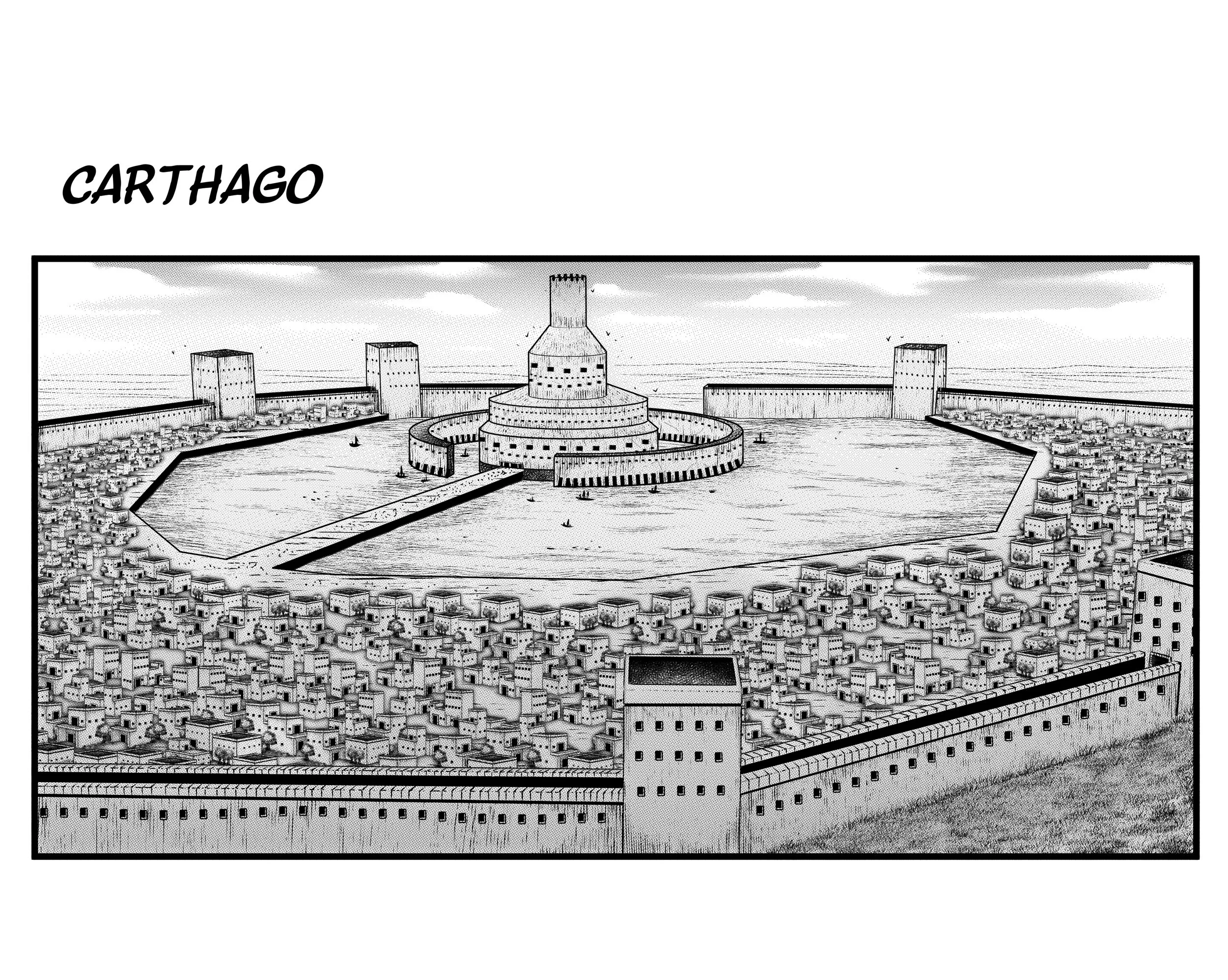
The Empire of Carthago
While the main body of land is referred to by the six kingdoms who inhabit it as “the Continent,” there is a second, smaller continent in the known realm that is home to three other kingdoms. This, second continent’s most wealthy and influential nation is called Carthago. While there are three kingdoms on this continent, the other two are effectively vassal states of Carthago; controlled by means of military and economic pressure. The Carthagean government tends to turn a blind eye to piracy as long as its own ships remain untouched. This is their government’s way of fighting proxy wars with the kingdoms of the main continent. This policy has created a great deal of friction between Carthago and Ostia in the past. Even though the Carthagean navy is the most powerful in the world, boasting 250,000 sailors and marines and a vast fleet of triremes, the Carthagean navy is almost exclusively used to protect the kingdom’s sea-going mercantile interests. as opposed to war and territorial expansion. The people of Carthago are known for their dark skin and hair.
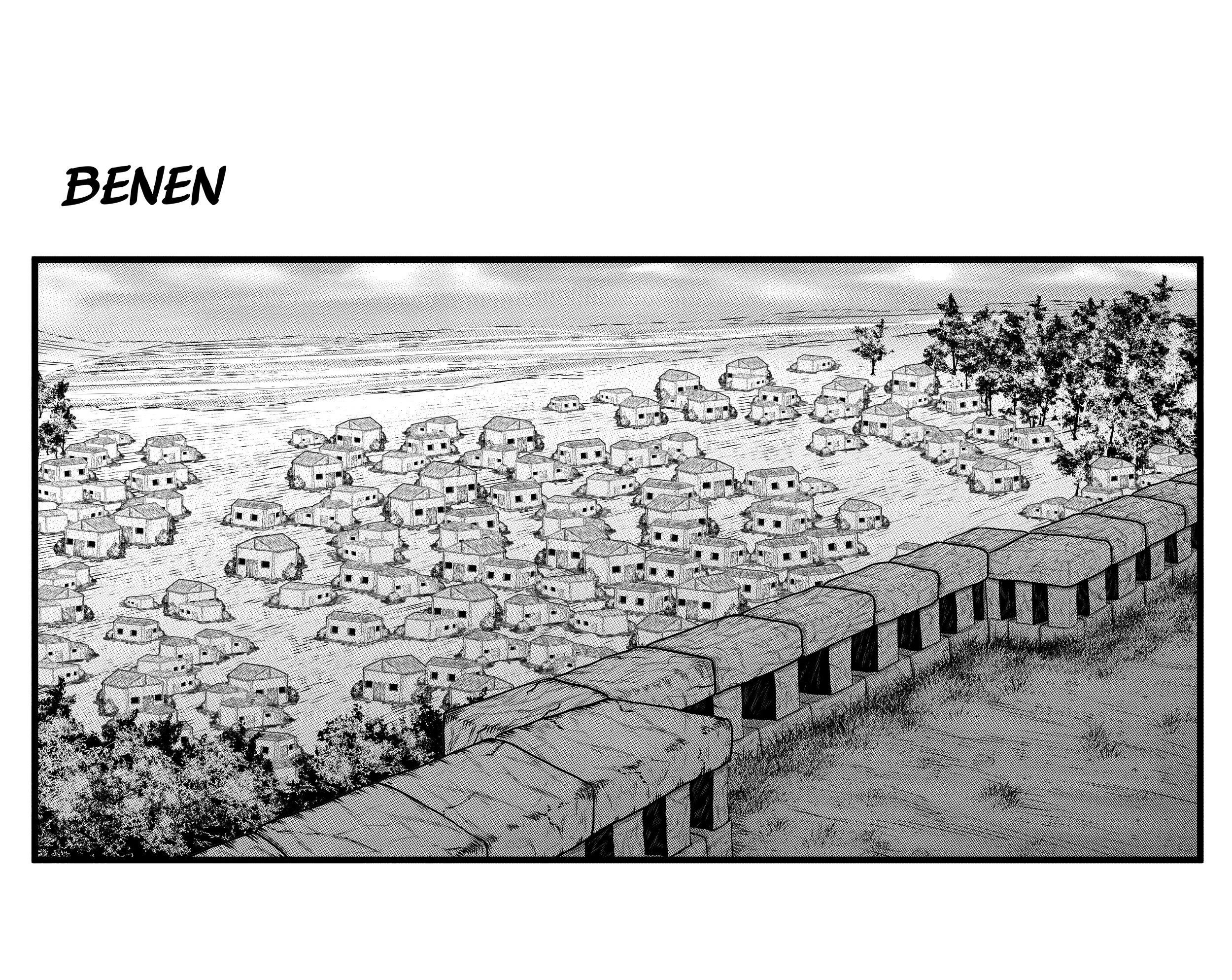
The Kingdom of Benen
Benen is a precious metal-rich kingdom and the mining center of both the second continent and the world at large. Kings of Benen are called “The Sundiata,” or Lion King. This is because lions are native to this region and considered sacred and regal to the people who live there. Benen’s chief exports are gold, silver, and other metals. Most of these metals are exported to Carthago and sold via Carthago’s mercantile fleet.
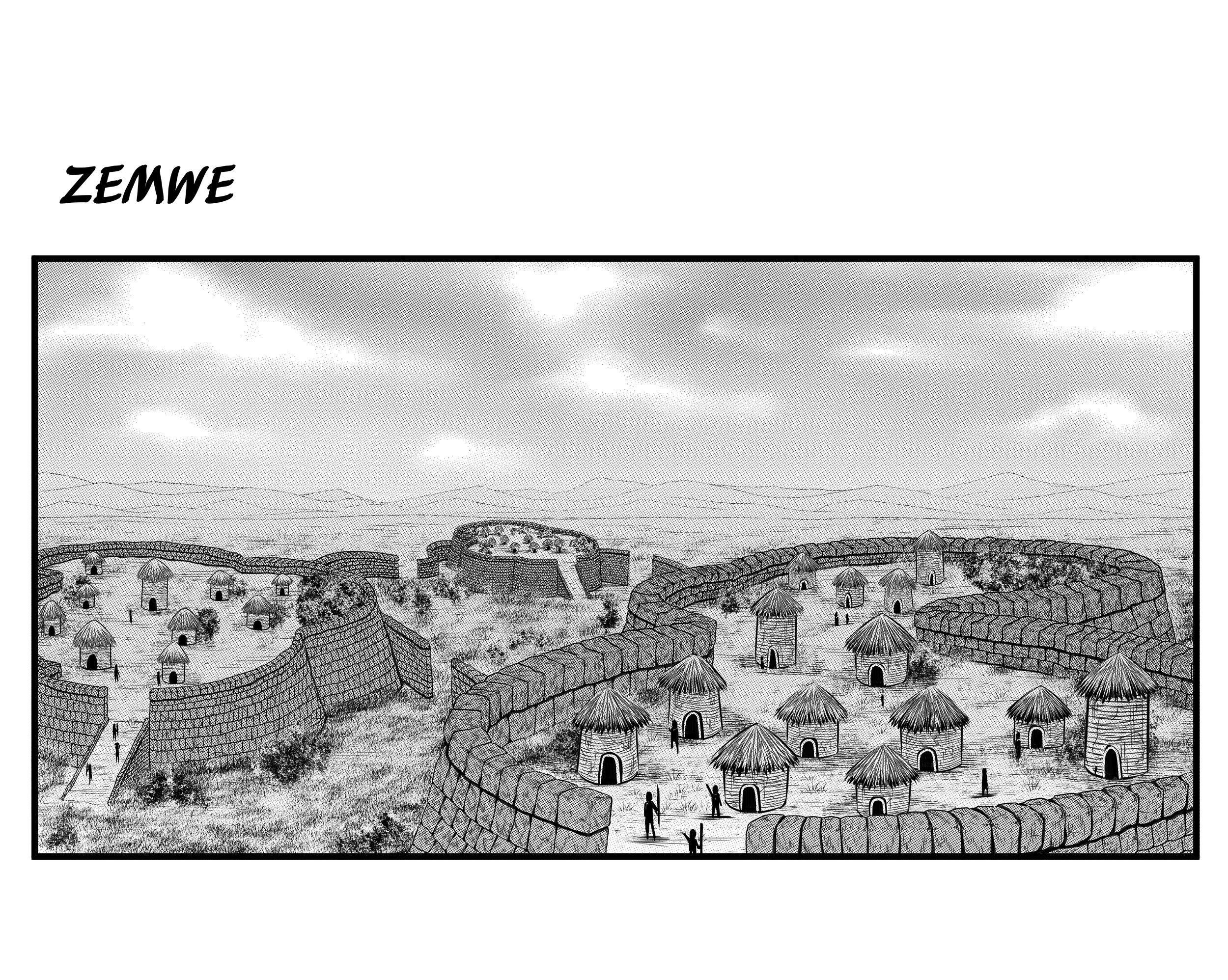
The Confederation of Zemwe
Like Dacia, Zemwe is populated primarily by tribes of hunters and gatherers. Unlike Dacia, however, the hunters of Zemwe are not nomadic. The rich soil and abundance of fauna allow the people of this land to remain settled. As a result they have a very rich and vibrant culture. Their interpretation of the world’s shared religion is animistic. The people of Zemwe believe that there are spirits that inhabit everything, both living and nonliving.